28KB.avif)

HVAC Repair vs. Replace: A Homeowner's Guide to Making the Right Decision
Your heating and cooling system is one of the biggest investments in your home. So when something goes wrong, the question isn't always simple: do you pay for a repair, or is it time to replace the whole system?
At MGP Mechanical, we've walked hundreds of Albuquerque homeowners through this decision. And here's what we always tell them: there's no single right answer. The smart choice depends on your system's age, what's actually wrong with it, and what makes the most financial sense for your situation.
Let's break it down—starting with the basics.
How Long Should Your HVAC System Last?
Different components of your heating and cooling system have different lifespans:
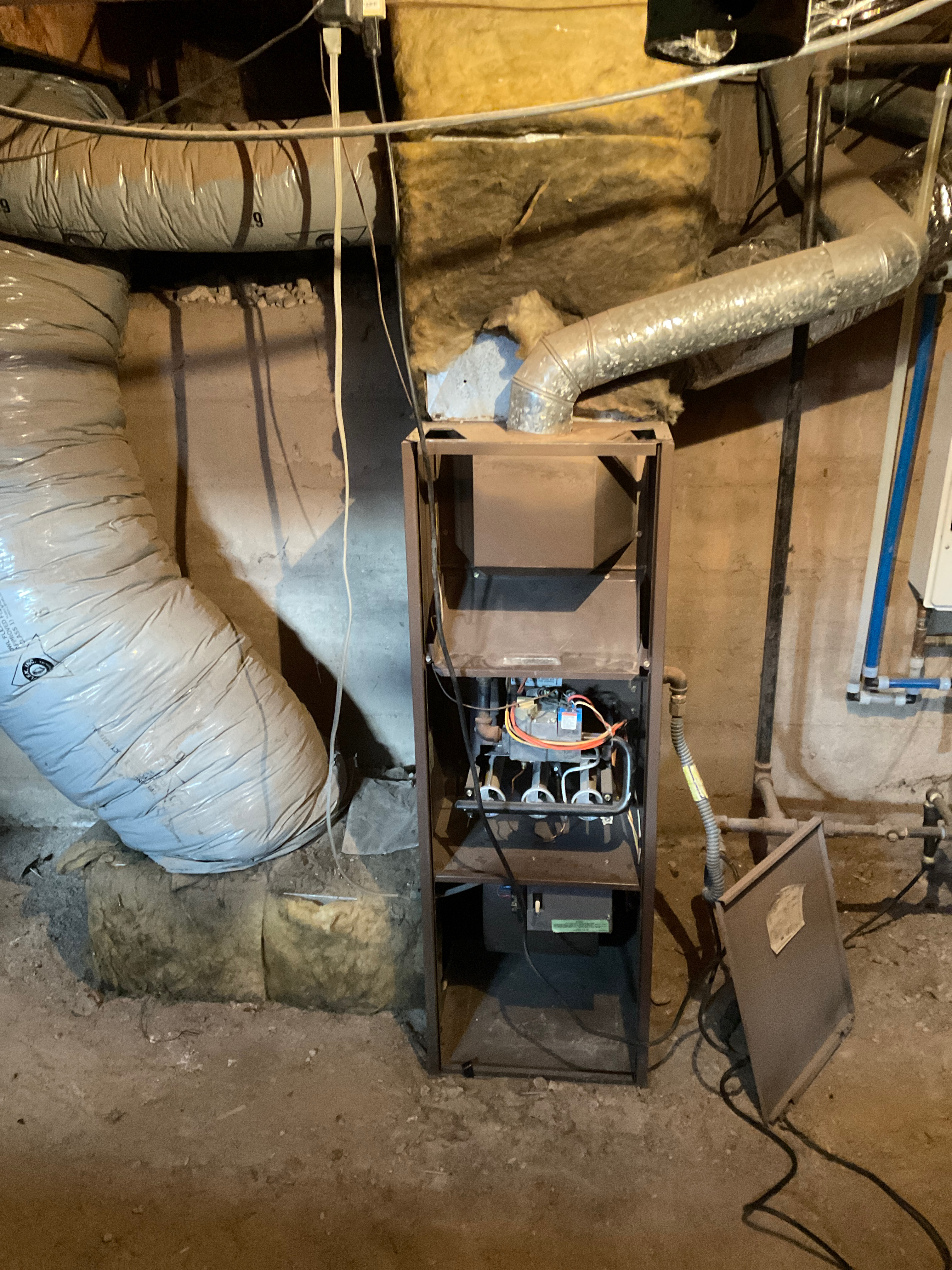
Furnaces typically last 15 to 20 years with proper maintenance. Gas furnaces tend to be durable workhorses, but once they hit that 15-year mark, efficiency starts to decline and repairs become more frequent.
Air conditioners generally last 10 to 15 years. Because they're exposed to outdoor elements year-round—including our intense Albuquerque summer heat—they tend to wear out faster than furnaces.
Heat pumps fall somewhere in between, averaging 10 to 16 years depending on usage and maintenance.
These are averages, of course. A well-maintained system can exceed these numbers, while a neglected one might fail much sooner. But if your equipment is approaching these age ranges and starting to give you trouble, it's worth thinking seriously about replacement.
When Repair Makes Sense
Not every problem requires a new system. Here are situations where repair is usually the right call:
The system is relatively young. If your furnace or AC is under 10 years old and this is the first significant issue, a repair will likely give you many more years of reliable service.
The repair is minor and affordable. Things like a faulty thermostat, a worn capacitor, a clogged filter, or a malfunctioning igniter are common fixes that don't signal deeper problems. These repairs typically cost a few hundred dollars and are well worth it for a system that's otherwise running fine.
You're still under warranty. If your system's parts or labor are still covered, take advantage of it. Just make sure the repair is done by a licensed contractor to keep your warranty valid.
The problem is isolated. If one component has failed but the rest of the system is in good shape, replacement doesn't always make sense. A skilled technician can help you evaluate whether the issue is a one-time fix or a symptom of broader wear.
When Replacement Makes More Sense
On the other hand, some situations point clearly toward replacement:
Your system is 15+ years old (furnace) or 10+ years old (AC). Even if it's still running, an aging system is living on borrowed time. Repairs become more frequent, efficiency drops, and you're one breakdown away from an emergency replacement—often at the worst possible moment.
You're facing frequent repairs. If you've called for service multiple times in the past couple of years, those repair bills add up fast. At some point, you're better off investing that money in a new, reliable system.
The repair cost is significant. A common industry guideline is the "$5,000 rule": multiply the age of your system by the cost of the repair. If the result is over $5,000, replacement is usually the smarter choice. For example, if your 12-year-old furnace needs a $500 repair (12 × $500 = $6,000), you're better off replacing it.
Your energy bills keep climbing. Older systems lose efficiency over time, which means they work harder and use more energy to do the same job. If your gas or electric bills have been creeping up without a clear explanation, your HVAC system is likely the culprit. Upgrading to a high-efficiency system can reduce heating and cooling costs by 20 to 40 percent.
Some rooms are too hot or too cold. Uneven temperatures throughout your home often indicate that your system can no longer distribute air effectively. This can stem from failing components, undersized equipment, or ductwork issues—all of which may point toward replacement.
You're dealing with poor air quality or humidity. Your HVAC system doesn't just heat and cool—it also filters and circulates air. If you're noticing more dust, higher humidity, or musty odors, your system may no longer be doing its job effectively.
There are safety concerns. Cracked heat exchangers, gas leaks, or carbon monoxide issues are serious problems that often require immediate replacement. Don't take chances with your family's safety.
The Hidden Cost of "Just One More Repair"
We get it—nobody wants to spend thousands of dollars on a new HVAC system if they can avoid it. But here's what we see all the time: homeowners who keep repairing an aging system, spending $300 here, $500 there, until they've invested $2,000 or more in a system that fails anyway.
Meanwhile, they've been paying higher utility bills the whole time because their old system was running inefficiently.
When you factor in repair costs, higher energy bills, and the inconvenience of repeated breakdowns, replacement often makes more financial sense than it first appears—especially when you consider the rebates and incentives available right now.
Save Money with Utility Rebates
Here's something many homeowners don't know: as a participating contractor with New Mexico Gas Company, MGP Mechanical can help you access significant rebates when you upgrade to high-efficiency equipment. And if you're a PNM customer, there are additional rebates available for cooling equipment and heat pumps.
New Mexico Gas Company Rebates (Gas Heating)
High-Efficiency Gas Furnace Rebates:
- 92% AFUE: $275 rebate (existing homes) / $200 (new construction)
- 95% AFUE: $325 rebate (existing homes) / $250 (new construction)
- 97% AFUE: $375 rebate (existing homes) / $300 (new construction)
Combination Boiler/Water Heater: Up to $675 rebate for ENERGY STAR certified units
Furnace Tune-Up: $85 rebate when you schedule a tune-up with a participating contractor (available September through December)
Smart Thermostat: $50 rebate when you upgrade
To qualify for NM Gas rebates, you must be a New Mexico Gas Company customer and have your equipment installed by a licensed, insured participating contractor like MGP Mechanical. Qualifying equipment must be purchased on or after April 1, 2025 and installed by March 31, 2026.
PNM Rebates (Electric Cooling & Heat Pumps)
If you have electric service through PNM, you may qualify for rebates on high-efficiency cooling equipment:
Heat Pumps & Air Conditioning:
- Split Air Source Heat Pump (SEER 14+, HSPF 8.2+): $550 rebate
- Packaged Air Source Heat Pump (SEER 14+, HSPF 8+): $550 rebate
- High-efficiency refrigerated air conditioning systems: Up to $600 rebate (depends on SEER rating)
Additional PNM Rebates:
- Heat Pump Water Heater (50+ gallon, ENERGY STAR): $300 rebate
- Smart Thermostat: $50 rebate
- Large Evaporative Cooler (12-inch rigid media): Up to $400 rebate
Rebates are available through December 31, 2025 or while funds last.
Stack Your Savings
The best part? You can often combine utility rebates with federal tax credits to maximize your savings. When you work with MGP Mechanical, we'll help you navigate all the available incentives so you get the best deal possible.
What About Federal Tax Credits?
In addition to utility rebates, you may qualify for federal tax credits through the Inflation Reduction Act. High-efficiency furnaces with 97% AFUE may be eligible for a $150 federal tax credit, and heat pump installations can qualify for credits up to $2,000.
We recommend talking to your tax professional about what you may be eligible for, but the bottom line is: there's never been a better time to upgrade.
Repair vs. Replace: The Quick Checklist
Ask yourself these questions:
- Is my furnace over 15 years old or my AC over 10 years old?
- Have I needed repairs more than twice in the past two years?
- Are my energy bills higher than they used to be?
- Is the repair estimate more than half the cost of a new system?
- Are some rooms in my home uncomfortable no matter what I do?
- Is my system making strange noises or producing unusual smells?
If you answered "yes" to several of these, it's probably time to start thinking about replacement.
Tips to Extend the Life of Your Current System
Whether you repair or replace, these maintenance habits will help you get the most out of your HVAC investment:
Change your filters regularly. This is the single most important thing you can do. A clogged filter makes your system work harder and shortens its lifespan.
Schedule annual tune-ups. Professional maintenance catches small problems before they become expensive repairs. Plus, you can get an $85 rebate from New Mexico Gas Company for furnace tune-ups.
Keep vents and registers clear. Make sure furniture, curtains, and rugs aren't blocking airflow.
Seal air leaks in your home. If your home isn't properly insulated or sealed, your HVAC system has to work overtime to keep up—which wears it out faster.
Listen to your system. Unusual sounds, smells, or performance issues are your system's way of telling you something's wrong. Don't ignore them.
Let's Figure It Out Together
At MGP Mechanical, we're not here to push you into a sale. We're here to help you make the decision that's right for your home, your comfort, and your budget.
If your HVAC system is acting up—or if you just want a professional opinion on how much life it has left—give us a call at (505) 531-9983. We'll take a look, explain your options, walk you through any available rebates, and help you make the smartest choice.
Because staying comfortable in your home shouldn't mean guessing about what to do next.
MGP Mechanical LLC is a participating contractor with New Mexico Gas Company and PNM and has been serving Albuquerque families since 2013. We specialize in honest, reliable HVAC and plumbing service that puts our customers first.